
When the Truth Isn’t Hopeful…
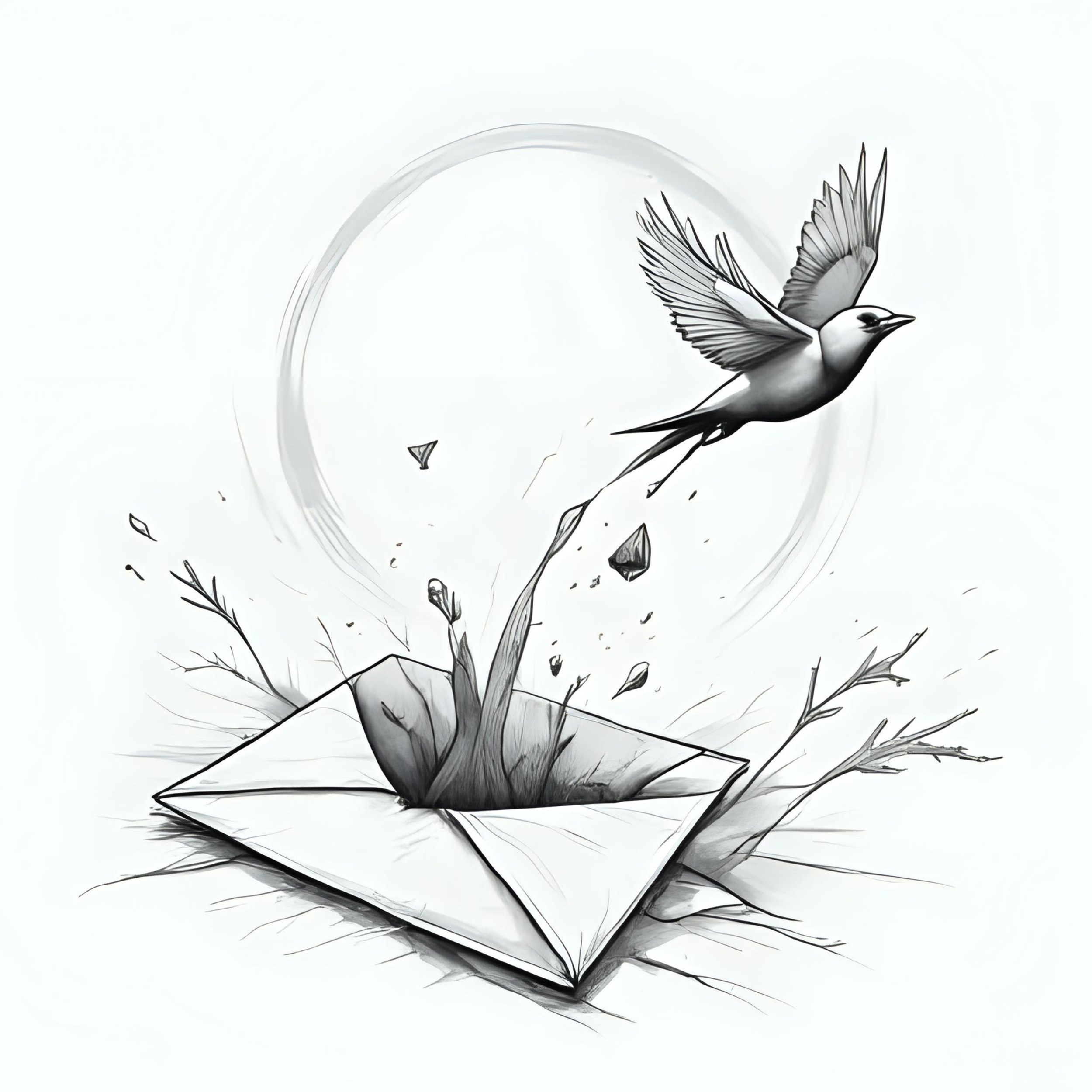
Almost ten years ago, a spoken word poet named Andrea Gibson wrote “Even when the truth isn’t hopeful, the telling of it is.”
She wrote it as a queer poet navigating challenges that people who conform to conventional norms don’t even have to think about. Andrea saw honesty and truth as the first necessary step to create a more just and compassionate world for people who don’t conform to societal and cultural norms.
Then, in 2021, she was diagnosed with cancer, and the idea took on a new meaning. Truth-telling stopped being just the first step toward a more hopeful future. It became the act of hope in itself.
Hearing her talk about it, it’s almost as if telling the truth and connecting honestly became a way to embody hope.
Saying what’s true when it’s hard is an act of rebellion. It’s throwing up the middle finger at the social platitudes, the etiquette, and the hand-wringing people stumble through when things get uncomfortable. And when someone has the courage to say the most true thing, to ask the most honest question, it feels like relief. Like a fresh breeze in a stuffy room. It’s validation. Hope.
What is hope?
A lot of what we call hope is just fear. We cross our fingers and hope for the outcome we want because we're afraid of the one we don't. It’s arguing with reality in advance. So that’s not quite hope in the purest sense.
A more generous definition could be trusting that things will work out for the best, something like optimism. It’s more of a general disposition, an expectation that good things are coming. We know people like this. They’re a ray of sunshine. But there are times in our lives, like a terminal cancer diagnosis, that flip the table on this general disposition about the future.
So what does hope look like when things don’t work out?
What I’ve noticed is that speaking openly and plainly about things that are hard instills hope: “Yeah, this sucks. It’s hard. It didn’t go how we wanted.” There’s no sugar coating to take the sting off. It fucking stings, and validating that is its own form of relief. There’s nothing wrong with us. Sometimes it just sucks.
That’s hope too. Not hope that things will get better, but hope as honest human connection. It’s the feeling of not being alone (or being the problem) when things get hard.
This is important to recognize: When things go wrong, we often blame ourselves. We see ourselves (or other people) as the problem. Often, no one is to blame — not really. Saying what’s true makes that clear.
When I learned this lesson working in startups
Working in startups is not for everyone. I Googled “dynamic, fast-paced work environment” and got the following as the AI response:
A dynamic, fast-paced environment is a workplace characterized by rapid change, high-volume tasks, and urgent deadlines, often requiring employees to adapt quickly, multitask, and manage stress. Thriving requires strong prioritization, clear communication, resilience, and proactive organization to prevent burnout.
And this is all true, but it’s also jargon designed to euphemize workplace environments that can easily burn your soul and self-esteem to a crisp, often by no fault of your own. The moment investment capital dries up, the fun, exciting, “we’re doing something great together” culture can turn into quarterly layoffs, a CEO who’s driving everyone from one ‘mission critical’ initiative to the next in an attempt to strike gold, and a rotating door of top talent — people who are worth their salt don’t stick around in unhealthy workplaces.
When this happens, directives from leadership begin to take on the tone of doing more with less: “Yes, we just laid off a third of your team, but we need the people who are left to keep the ongoing work afloat and also stand up this new program that's going to help us pivot from retail to SaaS. And no, we don't have a budget for plug-and-play technology. Build it in-house.”
When teams start missing deadlines or falling behind on KPIs, the question is rarely whether the organization is trying to do too much. Instead, it’s who’s accountable for the failure. And, a few weeks later, you find out they were in the latest round of layoffs.
This is fertile ground for cognitive dissonance. Cognitive dissonance is the discomfort of holding two contradictory things as true at the same time: I know this is unsustainable and I have to keep working as if it isn't. The way most people resolve that tension isn't by confronting it. It’s safer to go along with the talk track that everyone is doing what’s best for the organization, and if something is wrong, it must just be you.
When people are afraid of losing their jobs, confronting the truth by saying it out loud is dangerous. So nobody says what’s true.
Nobody wants to say: “You’re delusional. You’re asking us to sacrifice our emotional health on the off-chance that this new initiative strikes gold, even though the last three projects like it fizzled out.” The moment someone does say it, the collective sigh of relief and validation is felt across the entire call.
That moment is hope, too. Not hope because things will get better, but because now that dissonance has a voice. Because everyone in the room was already living with the weight of knowing, and now someone said it out loud. It’s the validation we give and receive from one another. Even when it sucks. Everyone was holding it in and then someone said it out loud and we all realized that we’re not in it alone. Each person carried the fear that they were royally blowing it. The situation was untenable, not them.
The act of saying it
Gibson understood something sitting with her diagnosis that many of us never get to see clearly: there's a kind of hope that doesn't depend on the outcome at all. The hope is the act of honesty and the resulting human connection. It’s saying the true thing and finding out that you’re not alone on a desert island. Maybe you’re on a desert island, but everyone else is too, and you’ve all been wearing blindfolds and earmuffs, completely unaware of your fellow castaways. Even if it sucks, you had one another all along.
This kind of hope isn’t about a happy ending or a turnaround or a silver lining. It simply touches grass and says what's real. It’s not about the future or the past. It’s just felt in the moment, in connection.
Sometimes the world is a terrible place. The runway is gone. The diagnosis is terminal. The thing we hoped wouldn't happen did. And in those moments, the most hopeful act available isn't pretending otherwise.
It's saying so. Out loud. To another person.
And that’s the part that makes it wonderful, even when it’s terrible.
